LDN Mechanism
LDN Mechanism
To understand how LDN functions in controlling cell division first lets understand normal regulation of cell division.
 +
+ 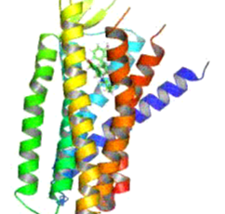 +
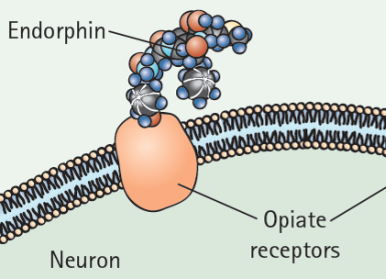
+ 
Thus, there are two factors that can affect regular cell division and can lead to cancer and various other immune disorders
Deviation in amount of OGF (endorphins) produced
Deviation in binding of OGF to OGFR
Now lets look at how Naltrexone functions
Naltrexone is an externally administered drug that also binds to opioid receptors. In doing so, it displaces the endorphins which could previously bind to the OGF receptors. Specifically, by binding to the OGF receptors, it displaces the body’s naturally produced OGF.
As a consequence of this displacement, the affected cells or cancer cells become deficient in OGF and thus the cell division stops as it does not receives signals for cell division. Also a rebound effect takes place and three things happens
- Production of OGFis increased, in order to compensate for the perceived shortage of OGF.
- Receptor sensitivity is increased, also to try to capture more OGF.
- Receptor production is increased, in order to try to capture more OGF.
But we do not want cell division to stop completely and that’s where Low Dose Naltrexone (LDN) is used. LDN binds to OGFR only for few hours (6hrs) but by then all the above 3 effects had already taken place in which both the production and utilization of OGF is greatly increased. Once the LDN has been metabolized, the elevated endorphins produced as a result of the rebound effect can now interact with the more-sensitive and more-plentiful receptors and assist in regulating cell growth and immunity bringing it to normalcy for next 18hrs.