LDN for treating MS symptoms
LDN for treating MS symptoms

Indication
Naltrexone was approved by the U.S. Food and Drug Administration (FDA) in 1984 for the treatment of opioid addiction, and in 1994 to treat alcohol use disorder (AUD). At the full recommended dose—50 to 100 milligram (mg) per day—naltrexone blocks the effect of opioids and reduces a person's desire to drink.
Off-Label Use
While these are the only two FDA-approved uses for the drug, it is used for several other health issues in an off-label capacity.
At the time naltrexone was first developed, researchers at the Penn State College of Medicine began studying its use in treating autoimmune disorders (where the immune system mistakenly attacks the body's own cells). Multiple sclerosis is believed to be an autoimmune disease, with the immune system attacking and destroying the myelin coating of nerve fibers, impeding nerve functioning.
Some research supports the use of LDN for reducing the severity and frequency of MS symptoms. This drug is not considered a disease-modifying therapy.
Effectiveness in MS
Researchers are beginning to understand the mechanisms of action in LDN, which are significantly different from that of full-strength naltrexone.
LDN is made up of two molecules. One of the molecules, dextro-naltrexone, binds to immune cells. The other, levo-naltrexone, attaches itself to opioid receptors. These actions are dose-dependent, meaning they happen in low doses but not higher ones.
The result of those molecular attachments includes several mechanisms that may lead to improvements in MS symptoms, including:
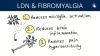
1. Alterations in immune function, including suppression of T cells and B cells, due to increasing endorphin, enkephalin, and opioid growth factor levels
2. Lowered neuroinflammation due to the altering of glial cell action in the central nervous system and down-regulating of TH17
3. Lowered inflammation in the rest of the body due to the inhibition of proinflammatory immune cells (including cytokines, TNF-a, NF-kB, and TH17)
A review of LDN research published in 2018 noted several beneficial outcomes from peer-reviewed studies using the drug to treat MS, including:
1. Safe and well-tolerated
2. Significantly reduced spasticity
3. Significant benefits for mental health
4. Improvement in quality of life
5. Reduced fatigue
6. Use as a single therapy resulted in stable disease state
However, not all results have been positive or consistent. The review cited:
1. One study showing LDN treatment resulted in no significant differences in quality of life, which conflicts with a later study
2. One study reporting side effects of insomnia and nightmares in a minority of cases
3. A survey that found treatment with LDN didn't reduce the amount of disease-modifying therapies people were prescribed.
Administration
LDN is most commonly taken in pill form. Liquid sublingual (under the tongue) and transdermal (through the skin) forms are also available.
The dosages commonly prescribed in people with MS range from 1.5 milligrams (mg) to 4.5 mg per day. It is advised that people with any form of spasticity take no more than 3 mg daily, as it may contribute to muscle stiffness.